Transport & Logistics
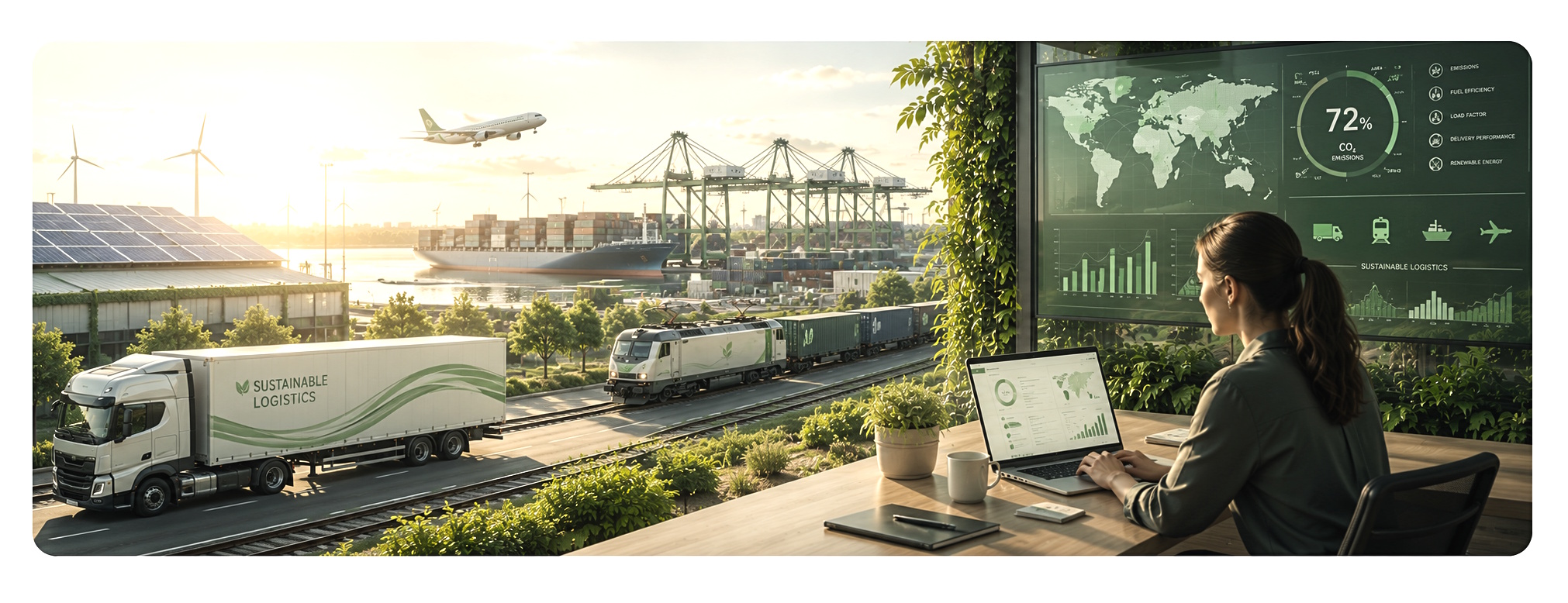
The transport and logistics sector is at the heart of the environmental transition. Fleet decarbonization, route optimization, energy consumption management, evolving regulations and growing expectations from shippers are driving companies to rethink how their operations are managed. GREENGRIDIA supports carriers, logistics operators and fleet managers by transforming their data into actionable decisions, helping them improve their environmental, operational and economic performance simultaneously.
- Perform Carbon Footprint assessments compliant with the Bilan Carbone® Method, BEGES, the GHG Protocol, and ISO 14064 and ISO 14069 standards.
- Build decarbonization pathways aligned with the French SNBC and the recommendations of the Science Based Targets initiative (SBTi).
- Identify the main emission sources across your fleet, logistics sites or transportation chain.
- Assess different mobility, logistics and energy transition scenarios.
- Analyze impacts related to energy, resources, water, waste, biodiversity and climate change adaptation.
- Integrate your operational data, internal reports, transportation plans and technical studies to automatically enrich the analyses.
- Generate KPIs, PDF reports and dashboards to monitor your environmental and economic performance.
- Develop specialized AI agents tailored to your operations, fleet or logistics organization.
The transport sector is evolving in a context where environmental requirements are becoming a genuine driver of competitiveness. Companies must reduce their greenhouse gas emissions, manage their energy consumption, meet the expectations of shippers and anticipate regulatory developments, while maintaining a high level of service quality and profitability.
To address these challenges, having a clear understanding of the environmental impacts of your operations has become essential. GREENGRIDIA supports carriers, logistics operators, fleet managers, multimodal platforms and companies with significant transportation activities in assessing and managing their environmental performance.
Through its specialized AI agents, the platform analyzes all the environmental factors that may influence your operations, including greenhouse gas emissions, energy consumption, natural resources, water, waste, biodiversity and climate change adaptation. Analyses are based on your own data as well as French and European knowledge bases, providing a reliable and contextualized view of your situation.
GREENGRIDIA also enables you to integrate your operational data, transportation plans, audits, specifications, technical reports and internal documentation to enrich the analyses. The platform identifies the main sources of impact, highlights improvement levers and compares different scenarios involving organization, vehicle technologies, flow optimization and energy transition to support better-informed decisions.
Results are then combined with economic and financial considerations to estimate the expected return on investment of proposed actions, assess the cost of inaction and prioritize projects offering the best balance between environmental performance and operational efficiency.
GREENGRIDIA also enables organizations to develop emissions inventories compliant with the Bilan Carbone® Method, BEGES, the GHG Protocol, and ISO 14064 and ISO 14069 standards. The platform then supports the definition of decarbonization pathways aligned with the objectives of the French National Low-Carbon Strategy (SNBC) and the recommendations of the Science Based Targets initiative (SBTi), while continuously monitoring key performance indicators.
Finally, GREENGRIDIA can develop specialized AI agents tailored to the specific needs of your organization. Whether you need to optimize a fleet, analyze logistics scenarios, assess an energy transition strategy or incorporate specific business constraints, the platform adapts to your working methods and strategic objectives.